How Close Can a Tree Be to Your House in Connecticut? A Practical Guide for Simsbury Homeowners

January 14, 2026

How Close Can a Tree Be to Your House in Connecticut? A Practical Guide for Simsbury Homeowners

Short answer:

Most trees in Connecticut should be 15–20 feet away from your house, but it depends on the species, the root system and the size the tree will reach at maturity. Large oaks, maples and pines may need 20–50 feet. Smaller ornamentals, like dogwoods or redbuds, can safely sit closer.

Now let’s dig into the real-world details Simsbury homeowners actually need.

Why Tree Distance Matters (Especially in Connecticut)

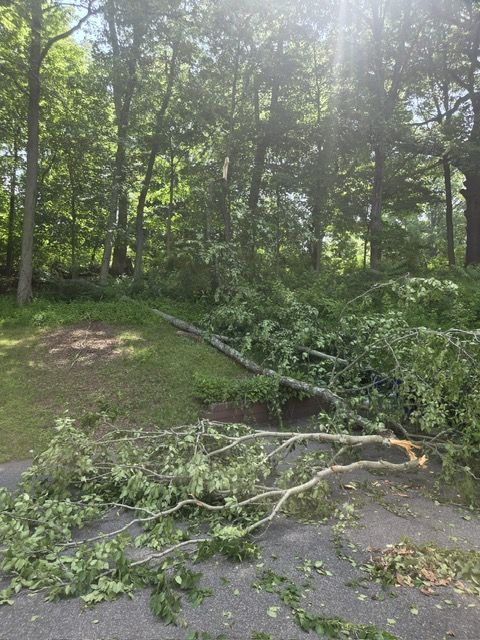
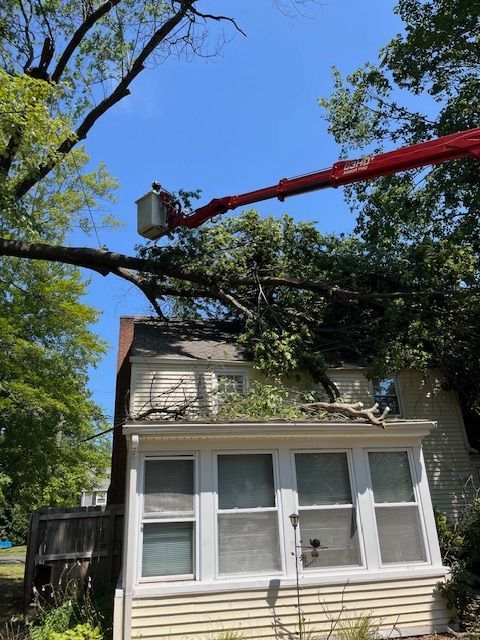
Connecticut’s weather can get pretty rough. We get heavy snow loads, ice storms, nor’easters and high-wind thunderstorms that can easily push a too-close tree onto a roof. Add in root spread, foundation pressure and limb overhang — now tree placement becomes more than a landscaping choice. It becomes a safety issue.

And in towns like Simsbury, Avon, Granby, Canton, and Bloomfield, older tree growth around historic homes adds another layer of complexity.

What’s a Safe Distance? A Practical Breakdown

🌳 Small Trees (Under 25 ft tall)

Examples: Dogwood, Japanese Maple, Redbud

Safe distance: 8–12 feet from the house

These have smaller roots and lighter limbs. They can be placed closer for shade and curb appeal.

🌳 Medium Trees (25–50 ft tall)

Examples: Birch, Crabapple, Magnolia

Safe distance: 15–20 feet

They need more room for roots, which can interfere with sidewalks or foundations if planted too close.

🌳Large Trees (50+ ft tall)

Examples: Oak, Maple, Pine, Spruce

Safe distance: 20–50 feet

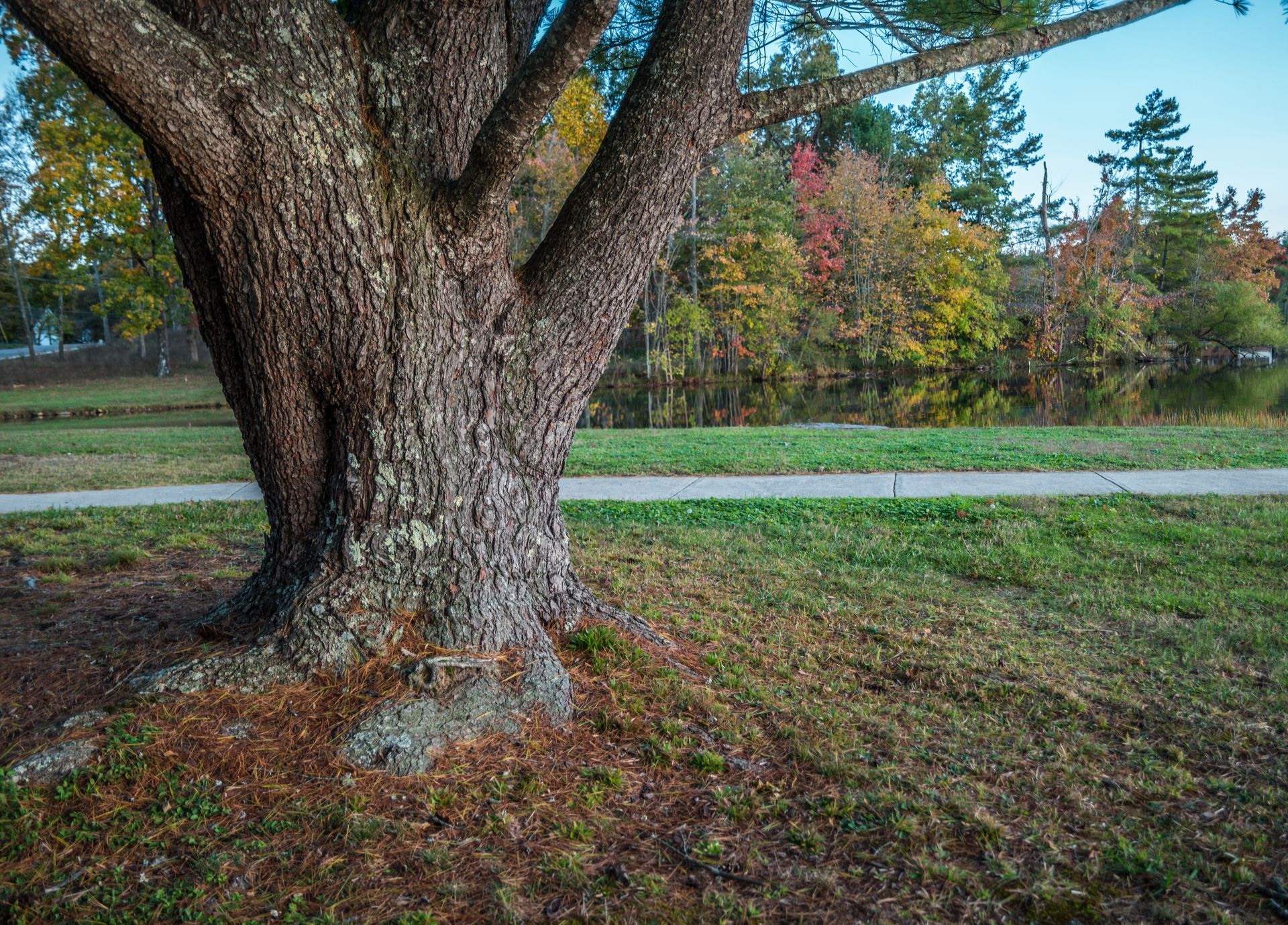
A mature oak can spread roots twice as wide as its canopy. Maples and spruces can drop massive limbs during storms, too close and you’re rolling the dice.

Signs a Tree Is Too Close to Your House

If you’re seeing any of these, the tree has probably outgrown its space:

  • Branches touching your roof or siding
  • Cracking foundation or lifted walkway
  • Roots exposed near the house
  • Moss, mildew, or moisture buildup from blocked sunlight
  • Animals (squirrels, raccoons) using branches as “bridges” onto your roof
  • Heavy limb shedding after storms

If one or more of these hit home, it's time for an evaluation — sooner, not later.

How Connecticut Weather Makes Close Trees Riskier

Simsbury homeowners know the drill — one ice storm can turn a healthy-looking limb into a 300-pound wrecking ball. Trees planted too close are more likely to drop branches on:

  • Roofs
  • Cars
  • Power lines
  • Fences

Wind-throw is also common in saturated or weakened soil. That’s why spacing matters more here than in mild-climate states.

Can a Too-Close Tree Be Saved? Sometimes.

Not every tree close to your house needs removal. Sometimes strategic trimming, root pruning or crown reduction can buy years of safe, healthy growth.

We usually recommend removal when:

  • The trunk leans toward the home
  • The root system is damaging the foundation
  • Large limbs hang directly over bedrooms or living spaces
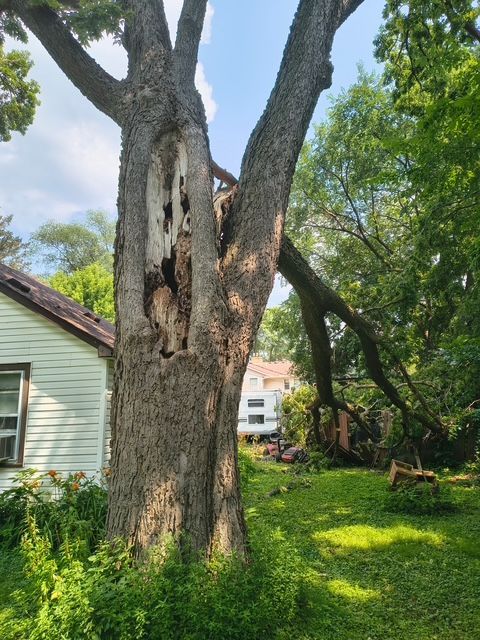
  • The tree is diseased or hollow
  • It’s a species known for breakage (example: maple hybrids, large pines)

When Should a Homeowner Call a Tree Professional?

Here’s the rule of thumb we give Simsbury residents:

If you’re unsure whether a tree is too close, it’s close enough to get checked.

A trained eye can spot structural issues, root spread and storm-damage indicators most homeowners miss.

AX Simsbury Tree Service Guys offers:

 βœ” Tree inspections

 βœ” Trimming & pruning

 βœ” Hazardous tree evaluations

 βœ” Tree removal

 βœ” Storm damage response

 βœ” Insurance-friendly documentation

Final Thoughts: Smart Tree Placement Protects Your Home

Trees add beauty, shade and value to your home — but only when they’re planted with more than enough space to grow safely. If a tree near your home is making you nervous, don’t wait until the next storm tests it for you. A quick professional check can save thousands in repairs (and plenty of headaches).
Call Us
ice damming on roof
January 30, 2026
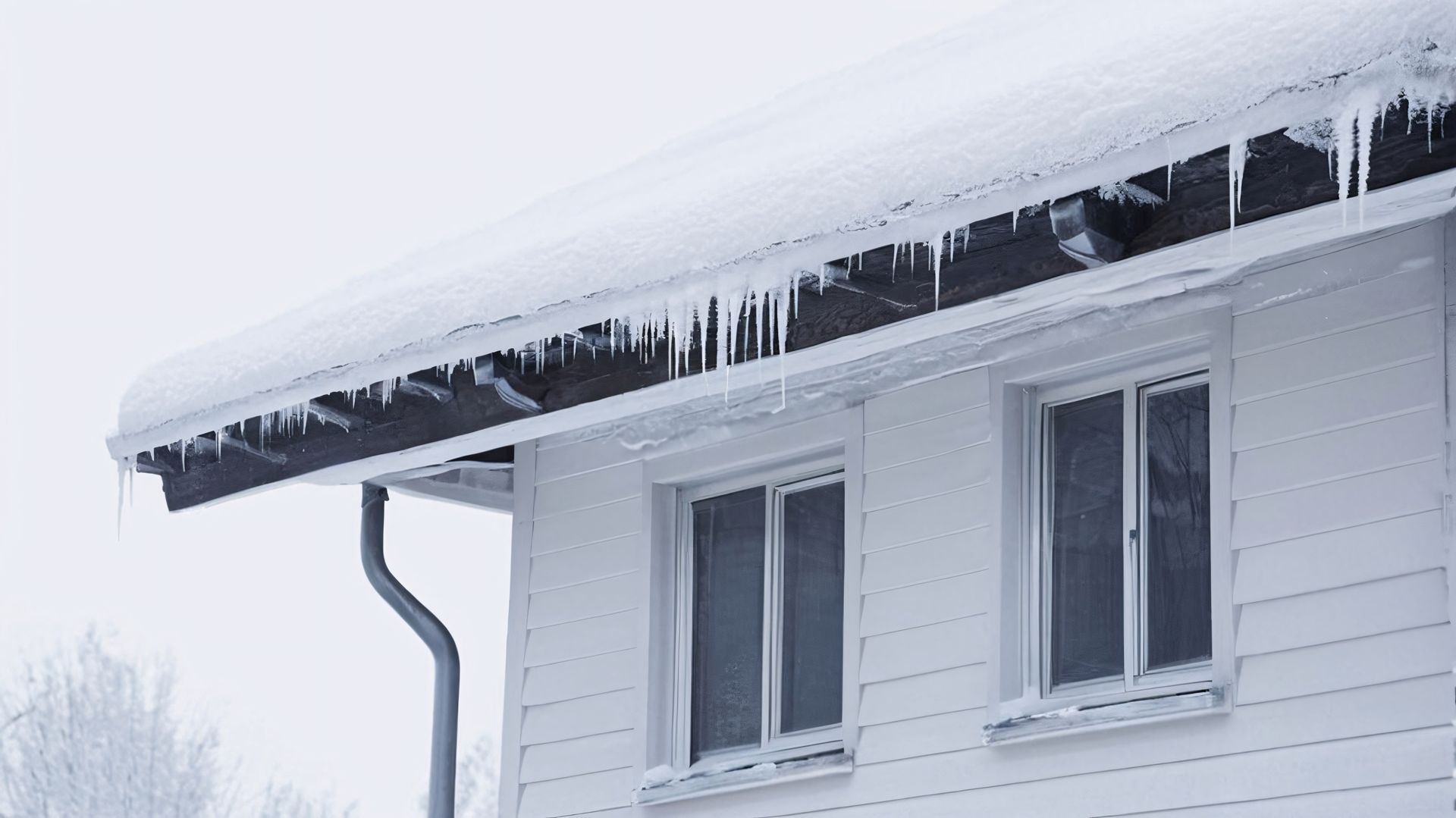
Ice damming can cause roof leaks and water damage in Simsbury, CT. Learn why ice dams form, warning signs to watch for, and when to call a local professional.
November 1, 2025
Insurers in Simsbury are flagging risky trees. Learn how AX Simsbury Tree Service Guys helps homeowners in Simsbury, Avon, and Canton stay insured and safe.
October 10, 2025
Learn how Simsbury homeowners can protect trees before a Nor’easter hits. Get expert tips on prevention, pruning, and storm prep from local tree care pros.
August 21, 2025
Learn what affordable tree removal in Simsbury CT really means. Safe, reliable service with full cleanup and no hidden costs.
July 9, 2025
Discover the best shade trees for Simsbury, CT. Learn which trees thrive in local soil, offer great coverage, and add lasting value to your property.
June 23, 2025
Is your Simsbury tree a storm risk? Learn how to spot warning signs and storm-proof your property before the next wind event. Expert tips from AX Simsbury Tree Service Guys.
April 16, 2025
Common Tree Issues in Simsbury, CT and How to Handle Them Simsbury’s beautiful landscape is part of what makes the town so special—but maintaining it? That’s another story. From heavy snow to late-summer droughts, the trees here face their share of challenges. And as a homeowner or property manager, those challenges often land squarely in your lap. Let’s dig into the most common tree issues in Simsbury and what you can actually do about them. No fluff. Just practical, effective strategies that work. 1. Dead or Dying Trees This one's hard to miss. If a tree has brittle branches, peeling bark, or no leaves in the growing season, it's likely on its way out—or already dead. Why it matters: Dead trees are dangerous. They can fall without warning, damaging your property or injuring someone nearby. How to handle it: Don’t wait. Call a certified arborist for a tree evaluation. In many cases, full tree removal is the safest option. If the tree is in a tricky spot—like near a home or power lines—make sure the company you hire is licensed, insured, and equipped for precision work. 2. Storm Damage Simsbury gets its fair share of wild weather. Strong winds, heavy snow, and sometimes ice storms can break branches or uproot trees completely. Signs to watch for: Hanging or cracked limbs Uprooted root systems Branches tangled in wires What to do: Don’t try to handle this solo, especially if wires are involved. Secure the area to prevent injury, then contact a local emergency tree service . In some cases, strategic trimming can save a partially damaged tree. Pro tip: Have your trees evaluated yearly—before storm season hits. 3. Insect Infestations Emerald Ash Borer. Gypsy moths. Scale insects. These tiny pests can do a ton of damage if left unchecked. Symptoms: Holes in bark Sudden leaf loss Sticky sap or a black, sooty mold on leaves How to handle it: Early detection is key. A certified arborist can diagnose the issue and recommend treatments—from trunk injections to selective pruning. If an infestation is advanced, tree removal might be the only safe option to prevent it from spreading. 4. Root Problems Not all tree issues are above ground. Sometimes, the biggest threats are beneath your feet. Watch for: Raised soil or cracked pavement Trees leaning without wind Poor drainage around roots The fix: Tree roots can disrupt foundations, sidewalks, and sewer lines. Don’t dig around blindly. Use air spading or consult with a tree service that offers root zone analysis. In some cases, root pruning can solve the issue. In others, removing the tree is the only way to prevent serious damage. 5. Overgrowth and Lack of Maintenance This is one of the most common—and most fixable—issues we see in Simsbury. Trees that haven’t been pruned in years grow wild, which creates hazards and invites disease. What happens: Branches rub together, causing wounds Canopies block air and sunlight, weakening the tree Overhanging limbs create liability concerns What to do: Schedule regular tree trimming, ideally every 2–3 years. A professional will thin the canopy, remove risky branches, and shape the tree for optimal health and appearance. Think of it like a tune-up for your landscape. Final Thoughts: Prevention is Cheaper than Repairs Here’s the truth: Most tree disasters are preventable. Regular inspections, proper pruning, and early intervention can save you thousands in emergency costs—not to mention the stress. If you’re unsure about a tree on your property, don’t wait for a branch to fall or a storm to strike. Reach out. Let’s take a proactive approach together. Because when it comes to trees, the sooner you act, the safer your home and the healthier your landscape.
Tree Statute
September 10, 2024
Trees are a vital part of Connecticut’s landscape, but they come with responsibilities. The Tree Statute is your guide to managing these responsibilities effectively.
Tree Insurance
August 25, 2024
Tree insurance is a special type of coverage designed to protect you from the risks trees can bring. If a tree or branch falls, especially during bad weather, tree insurance covers the damages
Different Tree Types
August 19, 2024
Picking the right tree for your yard means thinking about things like the climate, soil type, and how big the tree will get when it's fully grown.